Teachers As peace Educators
 Tamenor Kwaghzer
Nov 1, 2025 10:04
244
0
Tamenor Kwaghzer
Nov 1, 2025 10:04
244
0
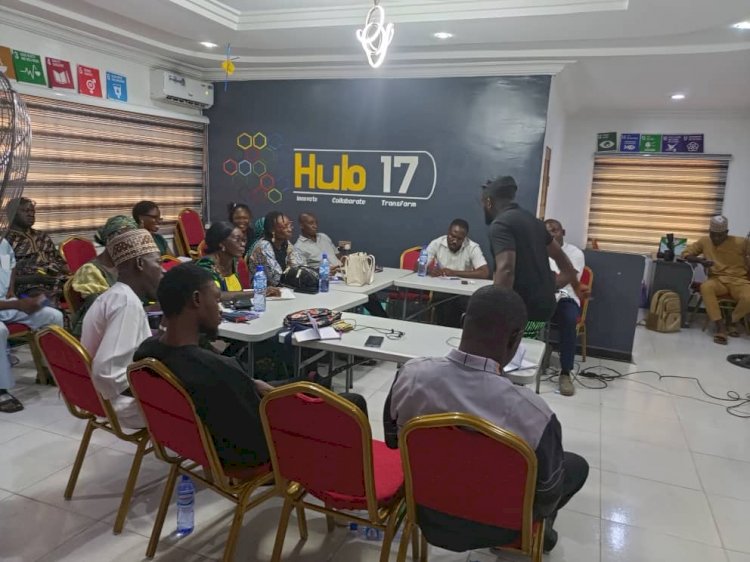
By Godwin Edeh
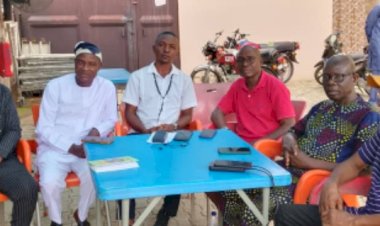
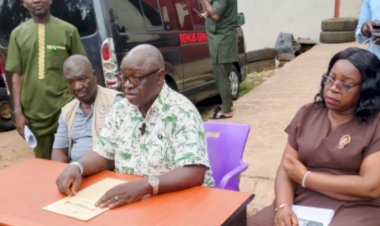
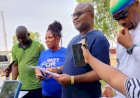
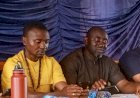
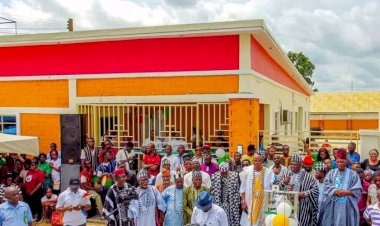
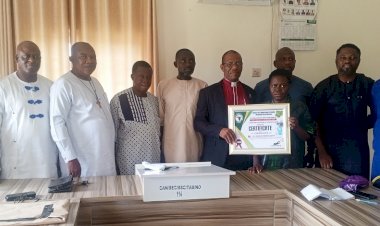
African Resilient for Community and Sustainable Development (AFRICOSUD) in conjunction with Peace Direct has on Friday 31st, October 2025 has organised a two day workshop for sensitisation and capacity building of teachers as educators of peace and conflicts resolutions in communities and school environment for Benue, Taraba and Plateau states holding at Hub 17 here in Makurdi.
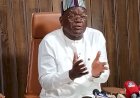
With the theme " Nurturing a culture of peace through education and conflicts sensitive teaching on fragile communities and the school environment" . The Executive Director of AFRICOSUD, Mr Onyeka Nwigwe stated that, our communities and country are living in a fragile security situation and identified schools as the best institution where negative narratives of insecurity is uprooted and the spirit of peace is built to build a generation of peace ambassadors.
Mr Nwigwe added that, students spent more time in schools than at home and therefore a venue for proper assimilation of knowledge and appealed to participants as teachers to be intentional and deliberate about their approach in inculcating peace initiatives among students especially in the exercise of justice and fairness in a learner - teacher situation to develop and guarantee learner's confidence, safety and dignity.
He described conflicts from a developmental standpoint as a welcome event by its nature but was quick to add that, it must be handled in such a way that it will not degenerate into crisis. "Today we have different types of crisis such as farmers -herders conflict, insurgency and political instability among others which requires peace education by promoting knowledge, skills and values for peace and further appealed to teachers as educators to help students understand the root causes of conflicts and the need for peace, respect, diversities, developing empathy, cooperation and communication that can enhance peace as solutions to conflict resolution as this will mitigate the effects of displacement and its associated trauma which have a negative impacts on learning process.
Other resource persons includes, Dr Abraham Shie of the Benue state Peace and Reconciliation Commission, presented the causes of conflicts, the principles of structural conflicts and the various types of conflicts. He also appealed to teachers as educators to avoid sentiments, bias as it can have negative impacts on their sense of judgement. In addition to the concept of conflicts and how it can be managed to avoid it transforming into violence with attendant consequences and presented how as educators, teachers can handle political, cultural and religious crisis within and outside the school environment.
Dr Shie attributed the root causes of conflicts to scarce resources, denial of fair hearing, injustice and lack of fairness as trigger for conflict in our homes, schools and the larger society.
While Mr Suunen Atsuwe, a Developmental consultant discussed the need for the application of emotional intelligence in teaching to create awareness, empathy and how anger can be managed as teachers which can assist to creates a very conducive environment for learning.
He appealed to teachers to be conscious of their actions as both students and the society looks up to them for directions, mentorship and must live above board as according to him, " Anger is an inbuilt, natural emotions that everyone feels and boundaries must be built to mitigate anger and described aggression as the height of anger which is usually associated with violence.