Abagana IDPs Hail UCare Nig., ECOWAS For Intervention
 Tamenor Kwaghzer
Aug 23, 2025 12:30
295
0
Tamenor Kwaghzer
Aug 23, 2025 12:30
295
0
By Amos Aar
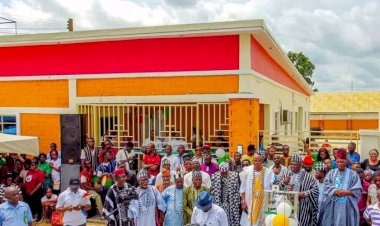
UCare Nigeria, with supported by the ECOWAS Peace Fund, on Friday extended its humanitarian pilot programme to Abagana Internally Displaced Persons (IDP) camp in Makurdi Local Government Area of Benue State. The initiative, which began last week at Ichwa camp, targets three camps across the state.
Speaking during the outreach, UCare Nigeria’s Benue State Team Lead, Mr. Terna Nyityo, said the project was designed to bring relief to displaced persons and their host communities. He explained that the programme would reach 1,000 people per camp with primary health care, dignity kits for adolescents, mama kits for pregnant women, boreholes, water treatment, and toilets accessible to men, women and persons with disabilities. “This project is primarily aimed at giving succor to the IDPs that are in the camps and those in the host community,” Nyityo said.
He noted that although the population of Abagana camp had reduced from over 30,000 to about 13,000 as some displaced persons returned to farming, renewed attacks were forcing many back. “So we are recording more people in the camp,” he said.
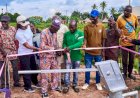
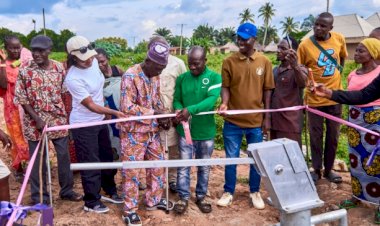
Commissioning a solar-powered borehole and new toilets, Abagana camp manager and BSEMA representative, Ms. Shipinen Unande, described the intervention, especially the borehole as massive. “We really appreciate UCare for reaching out to us. With this new development, we'll be able to assess ourselves, monitor ourselves and know what is going on within the camp,” he said.
Unande, however, listed urgent challenges facing the camp, which currently has only 15 functional toilets. She said shelters were in poor condition, with open roofs, torn nets, and families forced to sleep under staircases. She added that farmland was no longer accessible due to attacks, while lack of fertilizers and improved seedlings had worsened food shortages.
According to Unande, firewood was another major concern, with residents resorting to digging out tree roots for cooking. She also said drugs were unavailable at the camp pharmacy, leaving IDPs unable to afford prescribed medicines. “Apart from hunger, we are having serious infection… we are having pneumonia cases too because they are sleeping on bare grounds,” she lamented.
The camp manager appealed for scholarships for out-of-school children, skill acquisition for youths, and support for families. “We have the ones that have finished secondary school but they cannot further themselves in the universities because it’s really difficult here,” she noted.
Also speaking, Abagana camp chairman, Mr. Azende Festus, added that insects like bugs and lice were also disturbing camp residents. He commended Ucare and ECOWAS for the huge intervention, praying God to bless them.
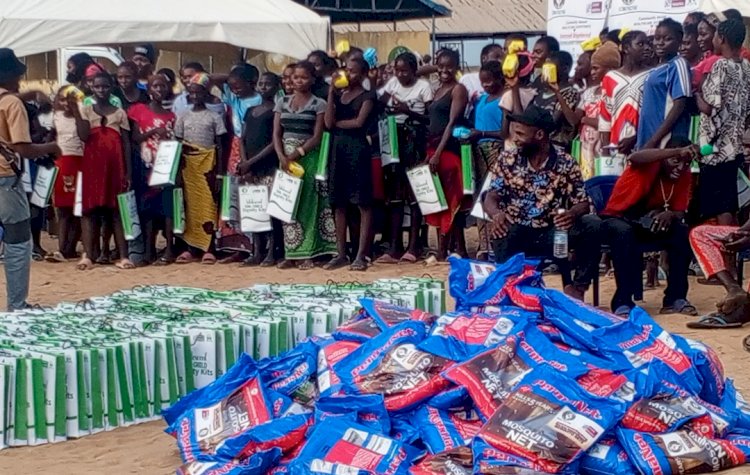
Aside from the newly commissioned facilities, UCare also distributed dignity kits for adolescent girls, mama kits for pregnant women, mosquito nets, and conducted a medical outreach for children, breastfeeding mothers and expectant women.
The UCare initiative is expected to reach 3,000 displaced persons across three camps in Benue with health care, clean water, toilets, mosquito nets, food supplements for children, and other humanitarian support before the end of August.