WHO Seeks Increased Funding for Health Sector
 Tamenor Kwaghzer
Apr 10, 2026 10:43
496
0
Tamenor Kwaghzer
Apr 10, 2026 10:43
496
0
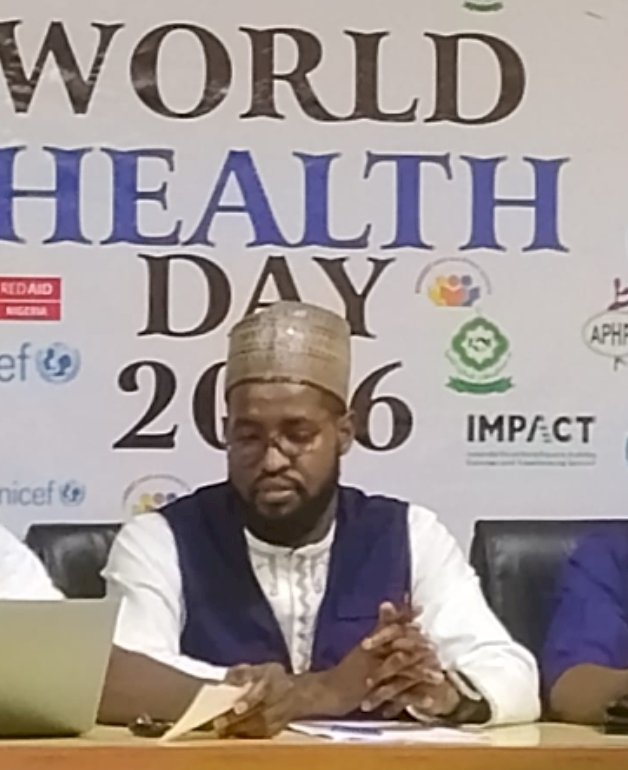
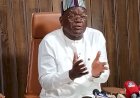
As the World Health Organization (WHO) marks the 2026 World Health Day, its representative in Nigeria has called for increased funding in the health sector, urging governments to not only meet but also implement established budgetary thresholds to improve healthcare delivery.
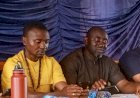
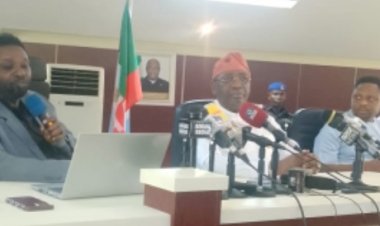
Dr. Muhammad Abdulkarim, who represented the WHO Country Representative in Benue State, made the call on Thursday, April 10, 2026, during a media briefing to commemorate World Health Day in Makurdi. He stated that WHO has continued to advocate for the release and effective utilisation of budgeted funds for the implementation of policies and programmes aimed at improving public health.
He further highlighted the organisation’s sustained efforts, noting that WHO remains committed to promoting service excellence and efficiency in the health sector.
Also speaking, the Benue State Commissioner for Health and Human Services, Dr. Paul Ejeh Ogwuche, emphasized that improved service delivery in the sector is largely driven by collaboration between the government, WHO, and other development partners.
Referencing the theme, “Together for Health, Stand With Science,” the Commissioner reaffirmed the state government’s commitment to building a science-driven healthcare system that caters to all citizens.
He noted that World Health Day marks the anniversary of the establishment of WHO in 1948, adding that the state government aligns with the global call to build a resilient, inclusive, and science-based health system that leaves no one behind.
According to him, the theme underscores the need for collective action in harnessing scientific innovation to safeguard the health of people, animals, plants, and the environment. He explained that the initiative also launches a year-long campaign focused on evidence-based solutions and coordinated responses to health challenges.
Dr. Ogwuche further stressed that this year’s theme highlights the role of scientific research, innovation, and the One Health approach in addressing complex issues such as infectious disease outbreaks, climate-related health risks, antimicrobial resistance, and equitable access to quality healthcare.
He expressed concern over the state’s vulnerability due to environmental and seasonal disease patterns, citing the ongoing Lassa fever outbreak as a major example. He underscored the importance of adopting science-based strategies, including surveillance, laboratory confirmation, infection prevention and control (IPC), and evidence-based case management.
According to him, these efforts, supported by WHO, UNICEF, the Nigeria Centre for Disease Control (NCDC), and Médecins Sans Frontières (MSF)—have significantly contributed to reducing mortality rates and protecting frontline health workers.
Dr. Ogwuche also disclosed that the state, in collaboration with WHO, has strengthened response mechanisms through technical support in infection prevention, risk communication, and community outreach, particularly in high-risk areas.
He added that the government has activated the Emergency Operations Centre, deployed surveillance officers across all 23 local government areas, and enhanced laboratory capacity to improve response to health emergencies.
The Commissioner attributed the containment of further Lassa fever outbreaks to the strong collaboration with development partners, noting that the synergy has yielded measurable results.
While assuring continued efforts to sustain progress, Dr. Ogwuche urged residents to adopt healthy living practices, particularly maintaining clean environments to reduce rodent infestation.
He also called for sustained investment in the health sector, stressing the need for increased funding to ensure improved safety and better healthcare outcomes for the people.